
Here is the complete 2,000-word SEO and Question AEO-optimized blog post for Chapters Recovery Center, formatted with clean ## (H2) and ### (H3) section headers throughout:
What Is a Partial Hospitalization Program (PHP) for Addiction and Who Needs It?
Navigating the landscape of addiction treatment can feel overwhelming. When searching for effective, structured care, individuals and families are often presented with clinical acronyms like PHP, IOP, and OP. Among these options, a Partial Hospitalization Program (PHP) serves as one of the most vital, high-intensity levels of care in the behavioral health continuum.
Despite the clinical name, a Partial Hospitalization Program does not mean staying overnight in a hospital setting. Instead, it provides intensive, full-time day treatment that bridges the gap between 24/7 residential rehab and traditional outpatient counseling. Understanding how a PHP functions, what a typical day looks like, and who stands to benefit most can clarify whether this level of care is the right step for your recovery.
What Is a Partial Hospitalization Program (PHP)?
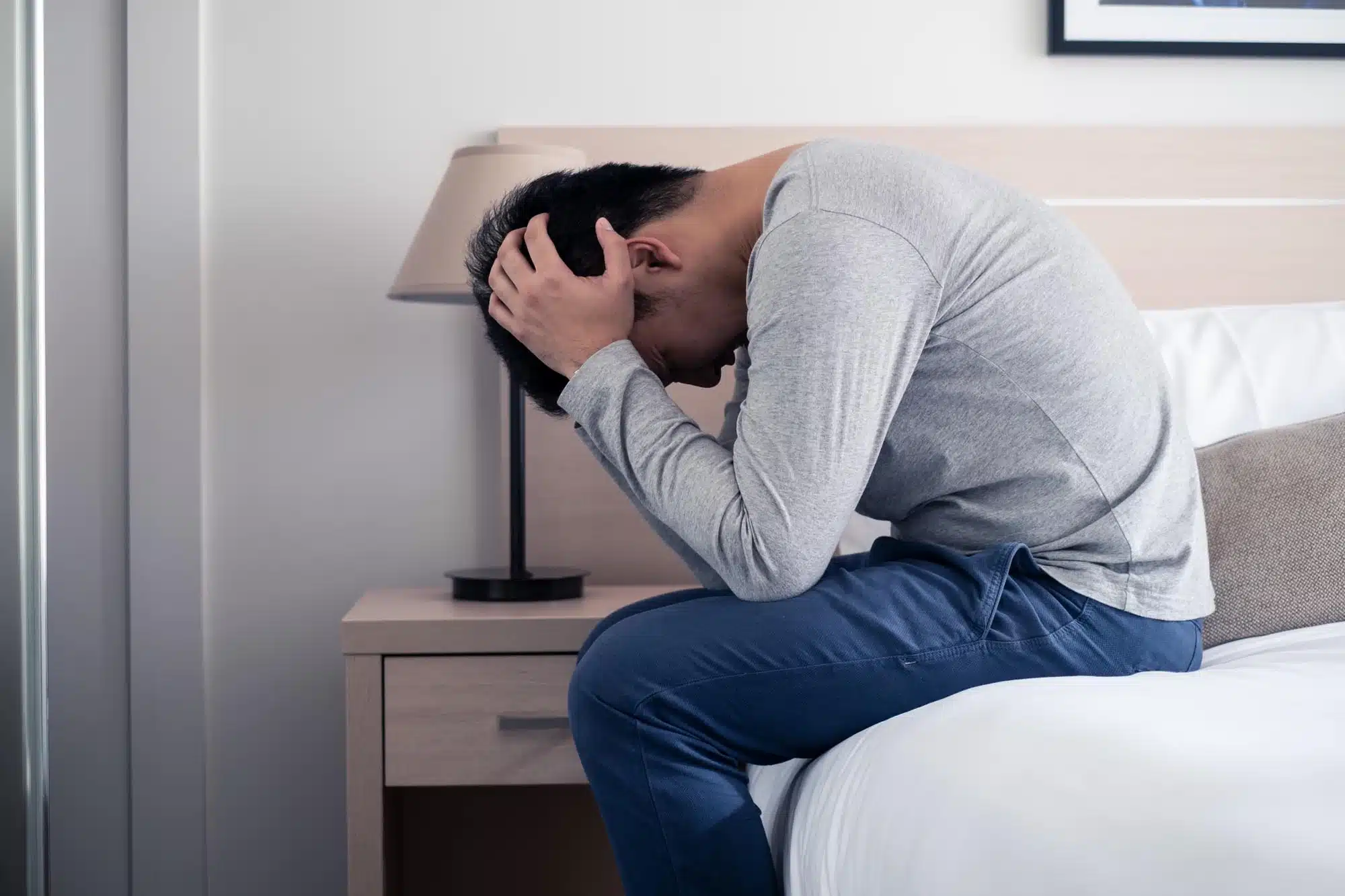
A Partial Hospitalization Program (PHP) is an intensive, non-residential outpatient treatment option designed for individuals struggling with substance use disorders, alcohol dependence, and co-occurring mental health conditions.
Often referred to as “day treatment,” a PHP offers the structure, medical oversight, and therapeutic depth of residential inpatient care, but allows clients to return home or live in a supportive sober housing environment each evening.
Key Characteristics of a PHP
-
High Clinical Intensity: Clients typically participate in structured programming 5 days a week, for 5 to 6 hours per day.
-
Medical Oversight & Psychiatry: Regular check-ins with licensed physicians, psychiatric medical providers, and nursing staff to manage symptoms, medication, and overall health.
-
Comprehensive Therapy: Multi-hour daily schedules combining individual therapy, group psychotherapy, psychoeducation, and specialized trauma-informed modalities.
-
Real-World Integration: Because clients do not live at the clinical facility 24/7, they can practice new coping strategies and emotional regulation skills in real-world settings every evening and weekend.
Demystifying the Name: Why “Partial Hospitalization”?
For many individuals seeking help, the term “partial hospitalization” sounds clinical, intimidating, or restrictive. People often picture sterile hospital wards, medical beds, and strict isolation. In reality, modern behavioral health PHPs operate in comfortable, welcoming outpatient center environments that feel far more like a dedicated learning and healing sanctuary than a hospital.
A former treatment participant on Reddit shared how intimidating the clinical terminology felt before taking the step into a PHP, and how transformative the actual experience turned out to be:
“Even the term ‘partial hospitalization’ was so intimidating I prevented myself from even considering it at first. I want to tell you it doesn’t have to be that way, and that my experience was fantastic and healing. My PHP program was every weekday at a rehab that was in a normal looking building. There was no hospital, but there was a care team of clinicians, nurses, and case workers who helped me at every step and checked in regularly. I was able to step away from work and focus on the ‘me’ problem… You only have one body. You will have other jobs. Invest in yourself, it is the greatest gift you can give to yourself and your loved ones.”
This personal experience highlights a central truth about Partial Hospitalization Programs: they provide robust professional support without the restrictive feel of a hospital stay.
Who Needs a Partial Hospitalization Program?
A PHP is specifically designed for individuals who require a high level of clinical structure, psychological stabilization, and daily accountability, but do not require 24/7 medical supervision or emergency medical detoxification.
You or a loved one may benefit most from a PHP if you meet any of the following criteria:
1. Stepping Down from Inpatient Residential Rehab
After completing a 24/7 residential treatment program or medical detox, jumping directly back into completely unmonitored daily life can trigger severe anxiety and heighten relapse risk. A PHP serves as a crucial step-down transition, allowing individuals to maintain intense daily clinical support while acclimating back to normal routines.
2. Requiring More Support Than Standard Outpatient Care Can Provide
If you have tried traditional weekly therapy or an Intensive Outpatient Program (IOP) and found yourself struggling to maintain sobriety or manage severe mental health symptoms, a PHP increases the clinical volume. Spending 25 to 30 hours per week in therapy provides the depth needed to break ingrained behavioral patterns.
3. Managing Co-Occurring Dual Diagnosis Conditions
Substance use disorders rarely exist in isolation. Many individuals use alcohol or drugs as an unmanaged coping mechanism for underlying trauma, PTSD, severe anxiety, major depression, or bipolar disorder. A PHP provides the psychiatric and therapeutic bandwidth required to treat both the addiction and the underlying mental health condition simultaneously.
4. Having a Safe, Supportive Living Environment
Because clients return home or to a sober living home each evening, a PHP requires a stable, substance-free environment outside of program hours. Having a safe place to sleep and supportive family members or peers is essential for PHP success.
What Happens During a Typical Day in a PHP?

Structure is one of the most effective tools in early recovery. Active addiction thrives in chaos, isolation, and unpredictable schedules. A PHP replaces that chaos with a predictable, therapeutic routine designed to restore emotional stability and neurobiological balance.
A typical daily PHP schedule includes:
-
Morning Health Check & Goal Setting: Reviewing daily goals, checking in on mood stability, and meeting with nursing staff or psychiatric providers for medication management.
-
Evidence-Based Group Psychotherapy: Engaging in small-group therapeutic processing led by licensed addiction clinicians. Groups focus on Cognitive Behavioral Therapy (CBT), Dialectical Behavior Therapy (DBT), relapse prevention, and emotional regulation.
-
Psychoeducation & Life Skills Training: Learning the science of addiction, neurobiology, trigger management, stress management, and practical strategies for rebuilding personal relationships and career momentum.
-
Individual Therapy Sessions: Meeting one-on-one with a primary therapist weekly to process personal trauma, family dynamics, and individualized treatment goals in strict confidence.
-
Experiential & Holistic Therapies: Incorporating mindfulness, art therapy, breathwork, movement, or somatic modalities to help discharge stored trauma and calm an overactive nervous system.
-
Lunch & Peer Community Building: Sharing meals and informal downtime with peers who understand the recovery journey, fostering authentic, non-judgmental connections.
The Role of Sober Living in Partial Hospitalization
For clients who do not have a supportive, substance-free home environment—or for those traveling from out of town for high-quality treatment—combining a Partial Hospitalization Program with structured Sober Living Housing provides the ultimate recovery foundation.
Under a “day treatment with community housing” model, clients live in a structured, alcohol- and drug-free home with peer accountability, curfews, and house management while attending clinical PHP treatment during the day. This combination delivers the immersive safety of residential treatment with the flexibility and real-world skill-building of outpatient care.
High-Quality PHP Care at Chapters Recovery Center in Danvers, MA
Located along Boston’s North Shore in Danvers, Massachusetts, Chapters Recovery Center provides compassionate, evidence-based outpatient addiction treatment tailored to meet the needs of each client. Serving individuals throughout Danvers, the North Shore, and greater Essex County, Chapters Recovery Center offers a structured Partial Hospitalization Program designed to help clients heal from substance use disorders and underlying trauma.
At Chapters Recovery Center, we recognize that true healing requires treating the whole person, not just addressing surface-level symptoms.
Why Choose Chapters Recovery Center for PHP?
-
Comprehensive Dual Diagnosis Care: Our multidisciplinary clinical team treats co-occurring mental health disorders alongside addiction, utilizing integrated therapies to ensure root causes are addressed.
-
Evidence-Based Clinical Modalities: Programming incorporates Cognitive Behavioral Therapy (CBT), Dialectical Behavior Therapy (DBT), Motivational Interviewing (MI), trauma-informed therapy, and structured relapse prevention planning.
-
Inclusive & Welcoming Environment: We take immense pride in offering a safe, affirming, and non-judgmental treatment sanctuary for individuals of all backgrounds, identities, and personal beliefs.
-
Seamless Continuum of Care: Clients at Chapters Recovery Center can step through multiple levels of outpatient care—from Partial Hospitalization (PHP) to Intensive Outpatient (IOP) and traditional Outpatient Services (OP)—ensuring long-term support at every stage of recovery.
-
Flexible Housing Coordination: We work closely with trusted local sober living residences across the North Shore to provide safe, comfortable community housing for clients enrolled in our day treatment programs.
Frequently Asked Questions
What is the difference between PHP and IOP?
The primary difference is the time commitment and clinical intensity. A Partial Hospitalization Program (PHP) typically runs 5 days a week for 5 to 6 hours per day (25–30 hours total per week) and includes regular psychiatric oversight. An Intensive Outpatient Program (IOP) is less intensive, usually meeting 3 to 5 days a week for 3 hours per day (9–15 hours total per week), making it ideal for those transitioning back to part-time work or school.
Can I work while enrolled in a Partial Hospitalization Program?
Because PHP requires full-time daytime attendance (similar to a standard workday schedule), most participants step away from full-time work commitments during this phase of care. Many individuals utilize FMLA (Family and Medical Leave Act) or medical leave to protect their employment while focusing entirely on their health. As you stabilize, you can step down to an evening IOP track that accommodates work schedules.
Does health insurance cover a Partial Hospitalization Program?
Yes. Major commercial health insurance policies generally cover medically necessary PHP treatment for substance use disorders and mental health conditions under behavioral health benefits. Chapters Recovery Center works directly with insurance providers to verify benefits and streamline admission.
How long does a PHP program usually last?
The length of stay in a PHP varies based on individual clinical progress, symptoms, and treatment goals. Most clients participate in a PHP for 2 to 4 weeks before stepping down to an Intensive Outpatient Program (IOP) for continued step-down support.
What happens after I complete a PHP?
Upon completing PHP, clients transition into a step-down program, such as an Intensive Outpatient Program (IOP) or traditional outpatient counseling. Your case manager at Chapters Recovery Center will build a comprehensive aftercare plan, connecting you with ongoing therapy, alumni groups, psychiatric support, and local recovery networks.
Take the First Step Toward Recovery Today
If you or a loved one are ready to break free from the cycle of addiction and rebuild your life on a foundation of emotional stability, help is closer than you think. You do not have to navigate this journey alone, and you do not have to put off investing in your health and future any longer.
Contact Chapters Recovery Center in Danvers, MA today to speak confidentially with an admissions specialist and learn how our Partial Hospitalization Program can support your lasting recovery.